
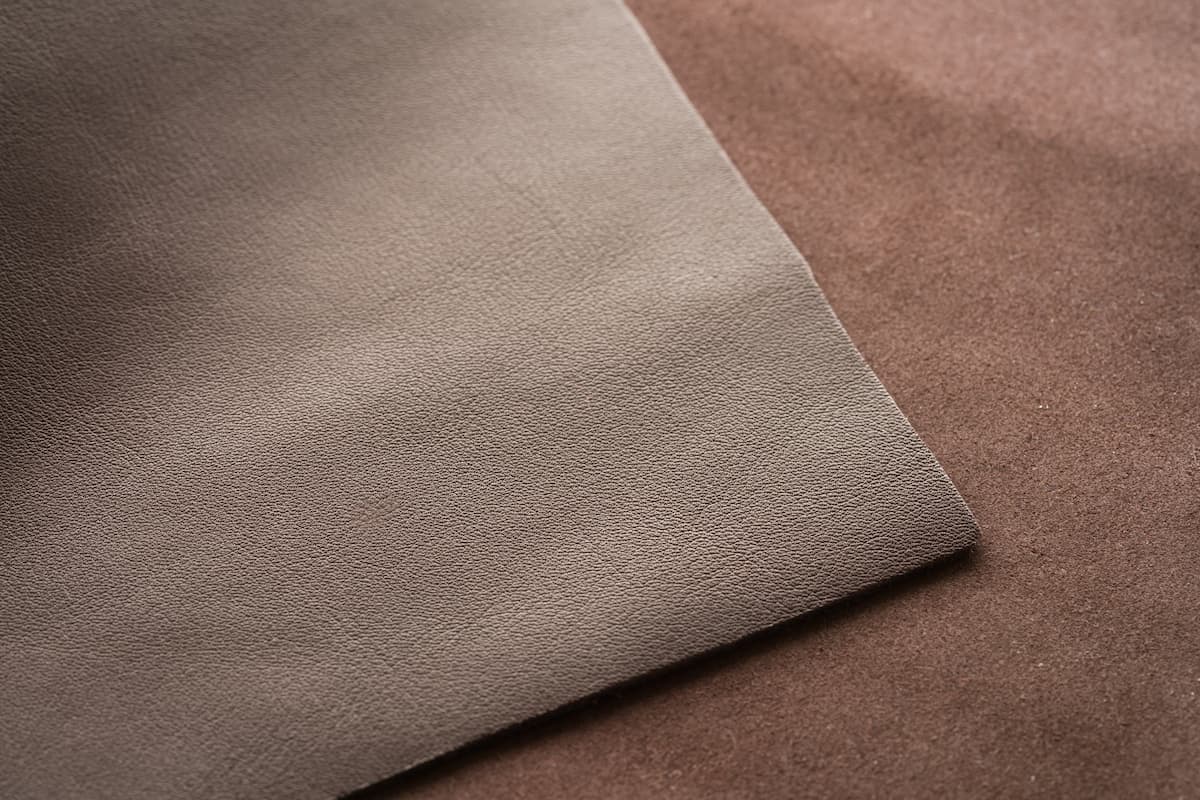
Leather furniture is an investment, and understanding what kind you have is key to keeping it looking its best. Two of the most common and durable types are full-grain and top-grain leather. Each has its own texture, strength, and care needs.
Full-Grain vs. Top-Grain Leather Furniture: Differences, Benefits & Repair Guide
Why Leather Type Matters for Furniture
Understanding what kind of leather your furniture is made from isn’t just about looks; it’s essential for proper care. Different leathers respond differently to cleaning products, conditioners, and restoration treatments. Using the wrong approach can lead to fading, cracking, or even permanent damage. Knowing whether you have full-grain or top-grain leather helps you take the right steps to preserve its strength and beauty.
What Is Full-Grain Leather?
Full-grain leather is the highest-quality leather available, made from the entire hide, including the natural grain layer that gives it strength and character. Because it’s not sanded or buffed, you’ll see subtle variations and markings that make each piece unique.
Over time, full-grain leather develops a rich patina that enhances its appearance and durability. It’s thicker and tougher than other leathers, perfect for furniture that sees daily use. However, its natural texture requires regular cleaning and conditioning to prevent drying or cracking.
What Is Top-Grain Leather?
Top-grain leather is the second-highest grade and a popular choice for furniture. It’s crafted from the outer layer of the hide, then sanded and finished for a smooth, uniform look. This process removes imperfections and gives it a softer, more polished feel.
While slightly less durable than full-grain, top-grain leather is easier to maintain and more resistant to stains. Its protective coating helps retain color and texture, making it ideal for commercial or high-traffic spaces.
Differences Between Full-Grain vs. Top-Grain Leather Furniture
The main difference between full-grain vs top-grain leather furniture comes down to texture, durability, and finish. Full-grain leather keeps its natural grain, giving it a more rugged, authentic look that ages gracefully. Top-grain leather, on the other hand, has a refined surface that’s easier to clean and maintain but doesn’t develop the same deep patina over time.
If you value character and longevity, full-grain may be the better option. If you prefer a sleek, uniform appearance with lower maintenance, top-grain could be ideal.
Pros & Cons of Full-Grain Leather Furniture
Pros:
- Extremely durable and long-lasting
- Develops a beautiful patina over time
- Naturally breathable and comfortable
- Ages with character
Cons:
- Higher cost than other leathers
- Can be sensitive to spills and stains
- Requires regular conditioning
Pros & Cons of Top-Grain Leather Furniture
Pros:
- Smooth, uniform appearance
- Easier to clean and maintain
- Resistant to stains and moisture
- Softer and more flexible than full-grain
Cons:
- Doesn’t develop as much natural patina
- Slightly less durable over long-term use
- May lose color faster without proper care
Repair & Restoration of Full-Grain Leather
Because full-grain leather is thicker and untreated, it responds best to restoration methods that preserve its natural surface. Repairs often involve rehydrating the leather with professional conditioners, filling in minor surface cracks, and re-dyeing areas affected by fading or discoloration.
Ideally, technicians will use water-based, environmentally safe products that maintain the leather’s integrity. At Creative Colors International, we avoid harsh solvents and focus on restoring the natural oils that keep the hide soft and durable. The goal is always to preserve its natural beauty, not cover it up.
Repair & Restoration of Top-Grain Leather
Top-grain leather restoration focuses on maintaining its smooth finish and consistent color. Professionals may use gentle cleaners, fine fillers, and protective sealants to repair scratches or fading. If color loss is significant, a precision dyeing process can match and blend the original tone seamlessly.
Because top-grain leather has a finished coating, it’s especially important to use the right products. Over-the-counter cleaners can strip away the finish, leading to dryness or peeling. Professional restoration ensures the right balance of color, protection, and softness is maintained.
How to Tell If You Need Restoration or Replacement
Leather furniture doesn’t always need to be replaced when it starts to show wear. Here are a few signs that repair or restoration might be enough:
- Surface fading or discoloration: Professional cleaning and dyeing can restore vibrancy.
- Minor cracks or scratches: These can be repaired without replacing the leather.
- Loss of softness: Conditioning treatments can revive flexibility.
- Stains or dull spots: Professional cleaning and reconditioning can even out the tone.
If the leather is deeply torn, the frame is damaged, or the padding has deteriorated, replacement may be the better long-term solution. A trained professional can assess your furniture and recommend the most cost-effective option.
Need Professional Repair for Full-Grain and Top-Grain Leather? We Can Fix That!
At Creative Colors International, our certified technicians specialize in repairing, cleaning, and restoring all types of leather furniture, from rugged full-grain to smooth top-grain finishes. Using advanced tools and eco-friendly materials, we help homeowners and businesses alike extend the life of their investment while keeping it looking beautiful and inviting.
Contact us today to get more information and request a consultation.
Image Source: GCapture/Shutterstock